
Review · VIETNAM
The Famous Ha Giang Loop Motorbike Adventure
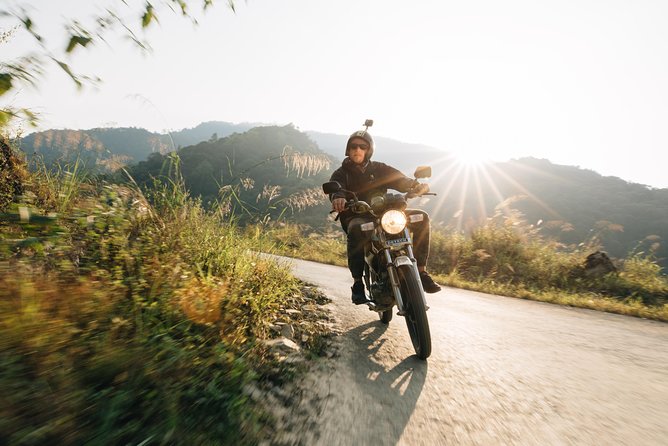
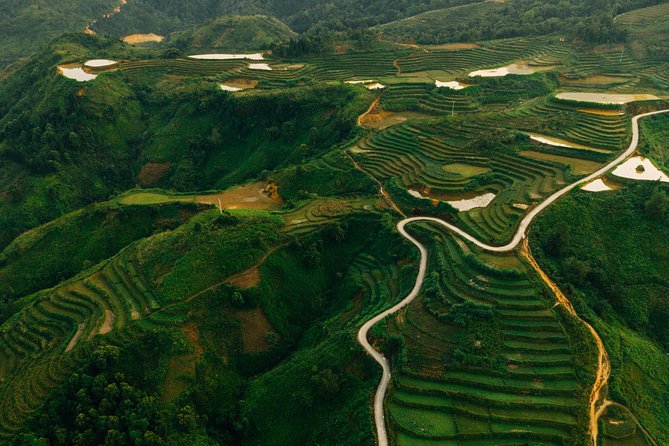
The best part of this four-day Ha Giang Loop trip is the road itself. You ride from Ha Giang through steep mountain passes, rice terraces, remote villages, and giant limestone peaks, with frequent stops to let your eyes and backside recover. The route reaches Lung Cu near the Chinese border, then crosses the famous Ma Pi Leng Pass before returning through Du Gia.
I like the choice between self-driving and riding with an easy rider. I also like the village homestays, where dinner, rice wine, and conversation replace a standard hotel night. The main caution is simple: this is not a gentle sightseeing bus tour. Roads can be rough, turns are sharp, and buses and trucks may appear around corners.
Key points at a glance
- Four days on the road: The loop includes three nights in village or small-town accommodation and four full riding days.
- Self-drive or easy rider: You can ride a semi-automatic motorbike yourself, sit behind a local guide, or arrange a car with driver at your own cost.
- Major Ha Giang sights: Expect Quan Ba Heaven Gate, Lung Khuy Cave, Dong Van, the Hmong King’s Mansion, Lung Cu Flag Tower, Ma Pi Leng Pass, and Du Gia waterfall.
- Local stays and meals: Breakfast, lunch, and dinner are included, along with three nights in homestays or similar accommodation.
- Small-group feel: The activity is described as a small-group trip, though the published information gives different maximum group sizes. Confirm the exact number when booking.
- Good value at $270: Fuel, bike hire, safety gear, repairs for minor problems, entrance fees, guides, accommodation, and meals are all covered.
Why the Ha Giang Loop is worth four days
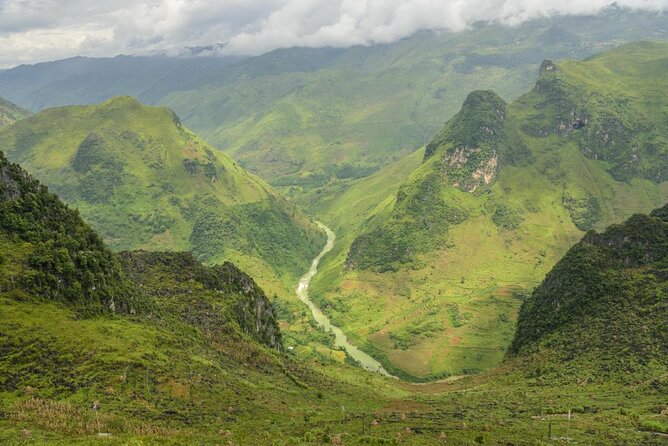
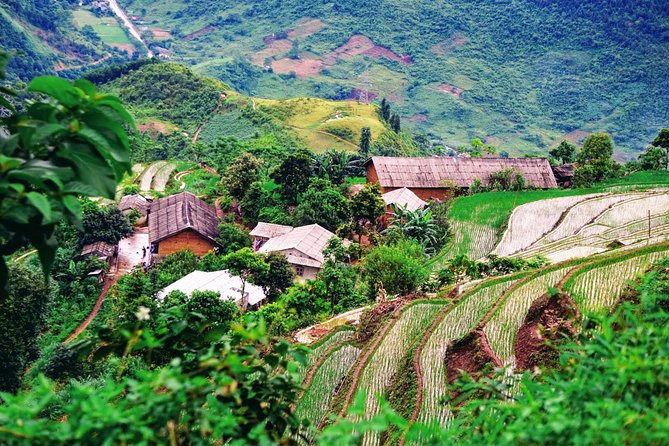
Northern Ha Giang feels far removed from the polished tourist centers of Vietnam. The road runs through high valleys and mountain settlements where local life still shapes the day. You may pass buffalo, chickens, dogs, and families working around their homes, while the route rises and falls through folded limestone hills.
Four days gives you enough time to stop often. That matters here. The best views are not always at a marked attraction. They appear around a bend, above a valley, or beside a small village. A rushed two-day trip would leave little time for short walks, photos, conversation, or a proper rest.
The trip begins at about 9am in Ha Giang. The morning is used to practice riding and get comfortable with the bike. After lunch and a safety briefing, you set out with a local guide toward Nam Dam village.
That first practice period is useful for anyone who has ridden before but is not fully comfortable on a semi-automatic bike. If you are a true beginner, the operator advises sitting behind one of its riders. This is sensible advice. The route includes rough sections, steep bends, and two-way traffic, and you should not use the first day as a crash course in motorcycle control.
More Ha Giang Loop Tours around Ha Giang:
- Ha Giang Loop 4 Days 3 Nights Motorbike Tour with easy Rider
★ 5.0 · 972 reviews - Ha giang loop 3days and 2nights with easy rider
★ 5.0 · 718 reviews - Ha Giang loop 3 or 4 Days, Small Group Tour (within easy riders)
★ 5.0 · 429 reviews
Day one: Quan Ba and a night in Nam Dam
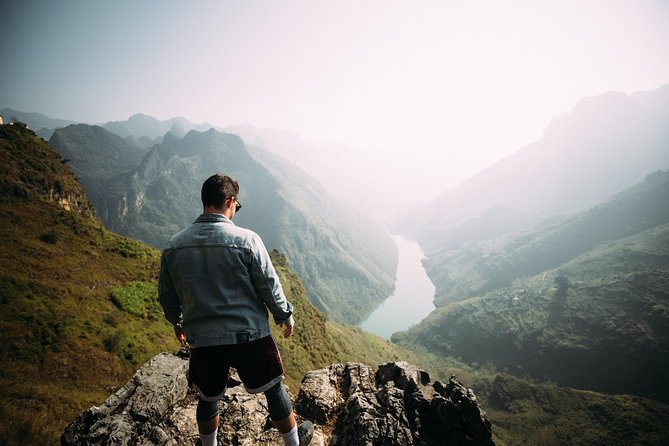
The first riding section covers about 45 kilometers to Quan Ba. It is not a long distance on paper, but mountain roads make mileage a poor measure of time. The guide stops for photographs and short breaks as the road climbs toward the Quan Ba Heaven Gate.
The views here show why Ha Giang is famous. Traditional villages sit below rounded hills, and rice terraces follow the shape of the slopes. The Fairy Bosom hills are another popular stop, with smooth green forms rising from the valley.
You also pass through a UNESCO-recognized geopark area. The value is not just the formal designation. The rock formations, narrow valleys, and high passes give the first day a clear sense of place. You are seeing geology and daily life together, not simply ticking off a viewpoint.
Nam Dam is the first overnight stop. You stay with a Dao family and have time to walk through the village, take a short hike, help prepare dinner, or rest. Dinner comes with local rice or corn wine, often called happy water. That evening can be social and lively, but you do not have to treat it as a drinking contest. You have three more days of riding ahead.
The homestay setting is one of the strongest parts of the trip. It gives you a closer look at how families host visitors and provides a more personal night than a standard hotel. Expectations should stay practical. These are village accommodations, not luxury properties.
Day two: caves, hemp cloth, and Dong Van
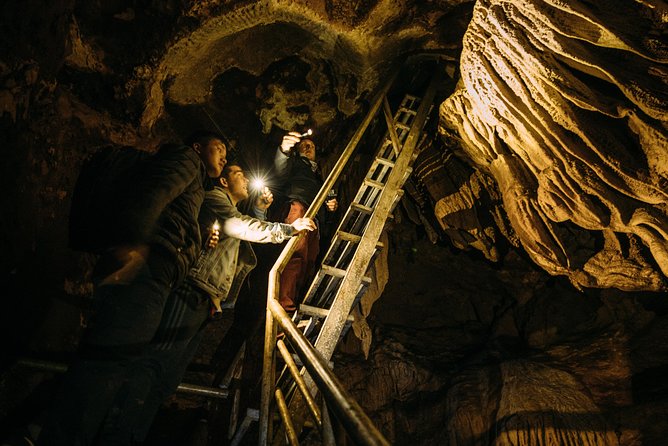
After breakfast, you leave Nam Dam and head toward Lung Khuy Cave. Reaching the cave requires a climb to the top of a mountain, so this is an active stop rather than a quick roadside photo. The walk is short enough to fit into the day, but you should have a moderate level of fitness and shoes suitable for uneven ground.
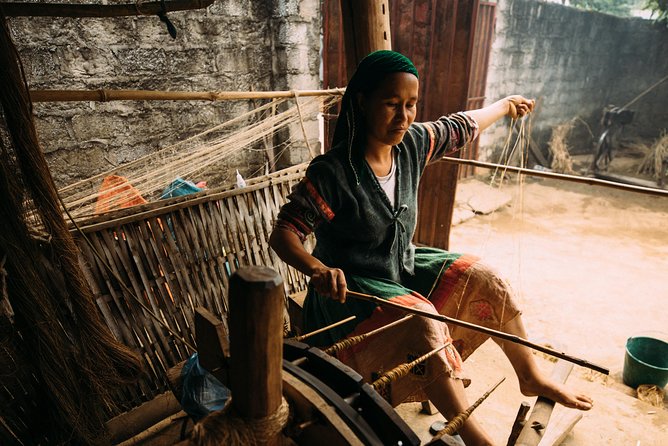
The next stop is Lung Tam, a hemp linen village. You see the cloth-making process from beginning to end and can try rolling out the material yourself. This is a valuable pause because it connects the scenery with local work. The mountains may be the headline attraction, but craft traditions give the journey more human detail.
Lunch comes in Yen Minh, a valley town along the route. After eating, the road continues toward Dong Van Karst Plateau Geopark. The ride becomes more dramatic as the limestone formations grow larger and the valleys narrower.
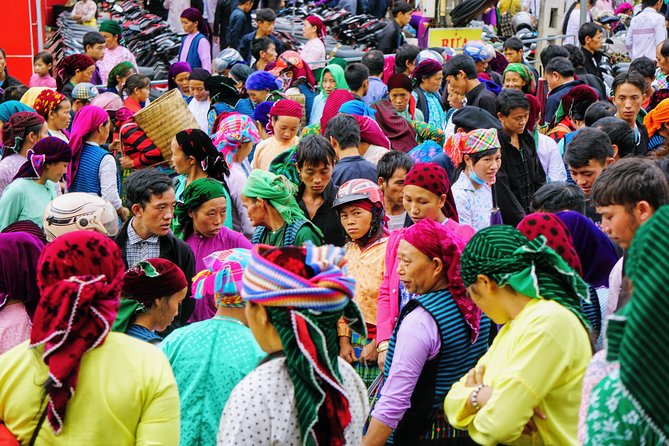
Dong Van is an important base for the second night. If your timing works, you can visit the highland market held on Sunday. The market is used for buying and selling goods and livestock, but it is also a weekly meeting place. Departure dates matter here. Friday departures are arranged to reach a Sunday market in Dong Van or Meo Vac, but you should confirm the exact plan before booking.
The day also includes the Mansion of the Hmong King, sometimes called the opium king’s mansion. Its architecture reflects the power and wealth once held by a regional Hmong leader. It adds historic context to a day otherwise dominated by roads and rock.
The final major stop is Lung Cu Flag Tower, near Vietnam’s northernmost point. From the tower, you can see toward China across the border. Reaching the top involves steps, but the view gives the route a strong geographic marker. You are no longer simply riding through northern Vietnam. You are at the edge of the country.
You spend the night in Dong Van at a campsite or similar included accommodation. The supplied information describes this stop as a camp site, so ask what sleeping arrangement applies to your departure. Accommodation can vary between homestays, bungalows, and camping-style facilities along the route.
Day three: Ma Pi Leng and the Tu San gorge
The third day begins with the Dong Van market if the dates line up. Allow about an hour and a half for this stop. Markets in highland communities are often as much about meeting people as shopping, and this is one of the more culturally useful parts of the schedule.
Then comes Ma Pi Leng Pass, the road most likely to remain in your memory. The pass cuts across steep limestone mountains above the Nho Que River area. The road is narrow in places and the drops are serious, so your guide’s position and instructions matter.
The program allows about four hours for hiking around the pass. That is a generous amount of time, and it changes the pace of the day. You are not simply stopping for a group photograph and getting back on the bikes. You can walk along viewpoints and take in the scale of the cliffs.
A separate stop focuses on Tu San Abyss Alley, a dramatic gorge between Dong Van and Meo Vac. The cliffs rise to almost 1,000 meters, and the gorge reaches about 2 kilometers in length. The area was formed by major geological changes over millions of years, when ancient seabeds were transformed into the limestone mountains seen today.
After Ma Pi Leng, you stop in Meo Vac for lunch. From there, about 70 kilometers of mountain road lead toward Du Gia. This section is often the most tiring riding of the trip, but it is also one of the reasons people choose the loop. The road keeps changing, with steep hills, small settlements, and open views.
Du Gia provides the third night’s homestay. The village sits inside a protected area with tropical forest and limestone formations. After a long day in the saddle, the slower setting is welcome. You will likely appreciate the meal and bed more than you would on the first night.
More Motorcycle Tours around Ha Giang:
- High Quality Small Group With Easy Riders 3 Day + Private Room
★ 5.0 · 829 reviews - 3D2N TOUR WITH EASYRIDERS 150cc (group 4-10Pax + private rooms)
★ 5.0 · 591 reviews - 4D3N loop tour with Easyrider 150cc (small group + private rooms)
★ 5.0 · 302 reviews - High quality Small Group 2 Day with Easy Riders + Private Room
★ 5.0 · 222 reviews
Day four: Du Gia waterfall and the return to Ha Giang
The final morning starts with a walk to a waterfall near the homestay. You have time to relax beside the water and, conditions permitting, swim in the clear pool. This is a good final break because it asks very little of you after the previous day’s long ride.
The return to Ha Giang takes about three hours after lunch. You are expected back around 4pm, which makes the timing useful if you have a hotel waiting in town. A transfer onward to Hanoi is also available, with arrival in central Hanoi around 10:30pm.
That Hanoi connection makes the overall trip easier to fit into a Vietnam itinerary, but it also creates a long final day. I would not schedule a flight immediately after the van reaches Hanoi. The return depends on mountain roads and the full drive from Ha Giang.
Self-driving, easy riders, and road conditions
Self-driving gives you the freedom to set your own line through the bends and feel the road more directly. It also demands attention for most of the day. You need to watch the surface, traffic, turns, and the riders around you while still trying to enjoy the scenery.
The motorcycles are semi-automatic, and safety equipment is included: helmet, gloves, knee pads, elbow pads, reflective vest, poncho, first aid kit, aluminum bottle, backpack cover, and luggage securing gear. Petrol and minor repairs, such as a flat tire, are also included.
For self-drive riders, plan on having an international motorcycle licence. The road conditions and traffic are not suited to casual, unlicensed riding. If you have limited experience, the easy rider option is the wiser choice. You sit behind a local rider and can focus on photographs, scenery, and conversation instead of managing every corner.
The easy rider choice is not a lesser version of the experience. Guides including Phong, Con, Truong, Benji, Nu, Su, Dien, and others have been praised for patience, humor, safety, and helpful riding instruction. Individual guide assignments can change, but the repeated praise for the guiding team points to an important part of the trip: you are not left to find the route alone.
A car with driver can also be arranged at your own cost. That is worth considering if you cannot ride or do not want a motorcycle, though the activity is designed around motorbikes and some of the road experience will feel different from inside a car.
What the $270 includes
At $270 per person, the price covers much more than bike rental. You receive three nights of accommodation, three breakfasts, four lunches, three dinners, fuel, entrance fees, guides, safety equipment, water, and local rice or corn wine. Minor repairs are covered as well.
That package gives the price solid value. Food alone covers most of your meals for four days, and the included petrol and repairs remove two common sources of surprise expense. You should still budget for beer, juice, snacks, tips, travel insurance, and personal purchases.
The tour also includes guides who speak English, Vietnamese, Dao, and Hmong. That language mix matters in villages where local customs and minority communities are a central part of the experience. Your guide is not only there to point at a mountain. The guide helps with directions, riding safety, communication, and the rhythm of the day.
The published details describe the activity as suitable for up to eight people in one place and also give a maximum of six travelers elsewhere. Because those figures conflict, confirm the group size before paying. A smaller group usually means easier stops and less waiting, while a larger one can bring more social energy.
Who should book this ride
I would recommend the trip to an active visitor who wants scenery, local food, mountain roads, and village stays more than comfort and polished sightseeing. You should be ready for four days of riding, walking, changing weather, and basic accommodation.
You do not need to be an expert motorcyclist if you choose an easy rider. You do need a moderate level of fitness for the cave climb, the Ma Pi Leng hike, the waterfall walk, and the long hours on the road.
This is a strong choice for couples, friends, and solo visitors who enjoy joining a small group. One solo booking even became a private trip after others canceled, though that should not be treated as a guarantee. The guides have also handled mixed groups, with some people driving and others riding behind guides.
I would think twice if you dislike winding roads, rough surfaces, shared meals, or a flexible outdoor schedule. Fog can also reduce the views. One group had fog but still found the trip enjoyable, which is a fair warning: Ha Giang can be beautiful even when the weather hides the biggest peaks, but you cannot control the conditions.
Practical details before you go
The meeting time is 9am in Ha Giang. Pickup is offered, and the activity has a mobile ticket. Confirmation is provided at booking, and the starting point is near public transportation.
Wear clothes that can handle road dust and changing weather. The operator provides a poncho and protective gear, but you should still think about comfort for long periods on a motorcycle. Padded bike shorts are a smart personal addition because several hours in the saddle can be hard on anyone.
Book early if your dates are fixed. The experience averages about 45 days of advance booking, which suggests that places can fill well before departure. Weather matters, and the operator may move or cancel the trip in poor conditions. If that happens, you are offered another date or a full refund.
Cancellation is free up to three full days before the start time. Inside that window, refunds and changes are not accepted. The activity also requires a minimum number of people, so ask how that affects your departure date.
Should you book the Famous Ha Giang Loop Motorbike Adventure?
Book it if you want the full northern Vietnam experience: dramatic roads, minority villages, homestay meals, mountain walks, and a real choice about how you ride. The route includes the classic sights, but the frequent roadside stops and local stays keep it from feeling like a simple checklist tour.
Choose the easy rider if your motorcycle experience is limited, and choose self-drive only if you have the proper licence and feel ready for sharp turns and active traffic. At $270, the inclusion of fuel, meals, accommodation, safety gear, guides, repairs, and entrance fees makes the trip a strong value.
I would confirm the group-size limit, sleeping arrangements, and rider option before booking. If those details suit you, this is the kind of trip that can become the central memory of a Vietnam visit.
FAQ
How long is the Famous Ha Giang Loop Motorbike Adventure?
The trip lasts approximately four days and includes three nights of accommodation.
Can I ride the motorcycle myself?
Yes. The tour includes use of a semi-automatic motorcycle. If you are a beginner, the operator recommends sitting behind one of its riders instead.
Is an easy rider option available?
Yes. You can hire a driver for your motorcycle. A car with driver can also be arranged at your own cost.
What meals are included?
The price includes three breakfasts, four lunches, and three dinners. Water and local rice or corn wine are included. Beer, juice, and snacks are not included.
What accommodation is included?
Three nights are included. The route uses village homestays, bungalows, and a campsite or similar accommodation in Dong Van, depending on the stop and arrangement.
What safety equipment is provided?
The tour provides a helmet, gloves, knee pads, elbow pads, reflective vest, poncho, first aid kit, backpack cover, and aluminum bottle.
What is the cancellation policy?
You can cancel for a full refund at least three full days before the experience start time. Cancellations or changes made less than three full days before departure are not accepted for a refund. If poor weather or an insufficient minimum group causes cancellation, you are offered another date or a full refund.
Fresh off the road around Ha Giang
- Motorbike Tours vietnam Off-road Ha Giang Dong Van Geopark 3D2N★ 5.0 · 4 reviews
- 6 Day Tour in Ha Giang Loop Ban Gioc Waterfall Motorbike★ 5.0 · 9 reviews
- 3-day Motorbikes Adventure Tour via Ha Giang Loop★ 5.0 · 5 reviews
- Ha Giang 4 Days Easy Rider with The Loop Tours★ 5.0 · 6 reviews
- Motorbike 4 Days Ha Giang Loop Tours★ 5.0 · 9 reviews
- Ha Giang Motorbike Tour 4 days 3 nights★ 5.0 · 3 reviews
- Ha Giang Loop 3D/2N Private Tour with Easy Rider★ 5.0 · 3 reviews
- Ha Giang Loop Motorbike Adventure – 3 Days from Hanoi★ 5.0 · 6 reviews
Vietnam Motorcycle Tours, compared.
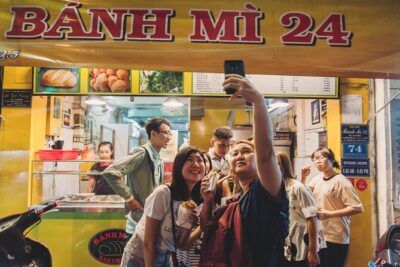
Ho Chi Minh City Street Food Tour & Sightseeing By Motorbike
Read our review →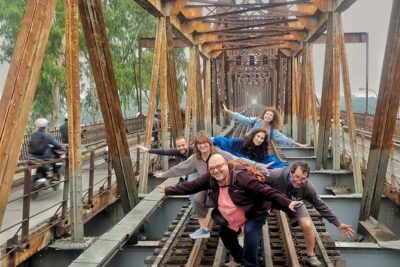
Hanoi Motorbike Tour: Food, Culture and Fun by Vintage Motorbike
Read our review →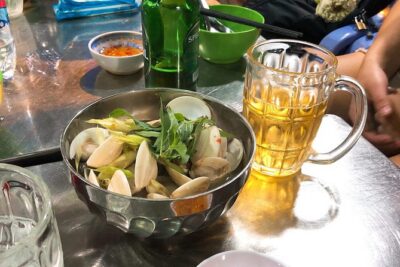
Saigon By Night and Street Food By Motorbike | Opt: Ao Dai Riders
Read our review →
Private Street Food Tour by Motorbike/Car with Local Students
Read our review →
Street Food Tasting & Sightseeing Tour by Motorbike
Read our review →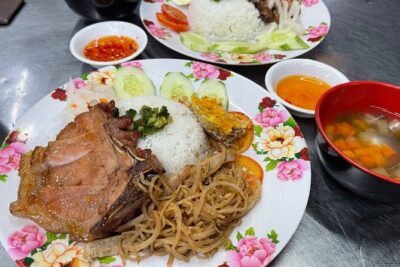
Top Notch Street Food Motorbike Tour In Ho Chi Minh City
Read our review →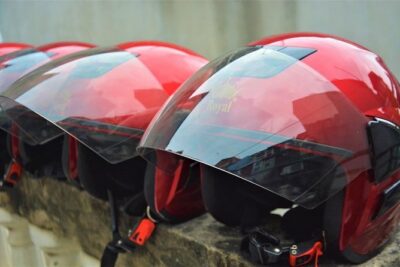
Hanoi Motorbike Tours Led By Women: Hanoi By Night Foodie Motorbike Tours
Read our review →
Ho Chi Minh City Motorbike Tour with Student | Saigon Adventure
Read our review →Browse the lists this tour appears in