
Review · VIETNAM
Motorbike tour Phong Nha to Hue (vice versa) by Mr T Easy Rider
The most rewarding part of this three-day motorbike trip is the way it links Vietnam’s wartime past with everyday rural life. You move from the Ho Chi Minh Trail and Khe Sanh to a Pa Co village, a waterfall, fishing country, and Hue’s imperial monuments. It is much more than a transfer between two popular destinations.
I like the personal scale and the variety. Mr T, Hoa, and Hoa can carry you as passengers, so you can watch the scenery instead of worrying about the road. I also like that the route includes places many bus rides skip, from Chenh Venh Waterfall to the Vinh Moc Tunnels and Tam Giang Lagoon.
The main consideration is time on the road. This is an active three-day journey with long sightseeing days, changing weather, and motorbike travel. Food is not included, and some stops, especially the war sites, call for quiet attention rather than quick photographs.
Key points to know before you book
- A three-day ride between Phong Nha and Hue: The route works in either direction, with the same stops arranged in reverse.
- A strong war-history route: Khe Sanh, Road 9, the Ho Chi Minh Trail, Hien Luong Bridge, and Vinh Moc Tunnels give the journey real context.
- You ride as a passenger: The experience is designed around experienced drivers, including Mr T, Hoa, and Hoa, rather than requiring you to operate the motorbike yourself.
- A genuine rural side of central Vietnam: The Pa Co village, mountain roads, waterfall, coastal beach, and Tam Giang fishing area add more than standard city sightseeing.
- A private trip for your own group: Pickup is offered, and you can finish at the Hue address you choose.
- $240 per person with important inclusions: Hotel, drivers and guides, water, and entrance fees are included, but meals and drinks are not.
Why this route is worth three days
A direct transfer from Phong Nha to Hue is faster, but it tells you little about the region between them. This route takes the long way through Quang Tri, where Vietnam’s war past is still present in bridges, cemeteries, tunnels, old roads, and former military positions.
That extra time also gives you a more varied picture of central Vietnam. You pass through mountain country, stop in an ethnic village, cool off at a waterfall, reach the coast, cross a lagoon by ferry, and end among Hue’s royal buildings and religious sites.
I especially like the contrast between the first two days and the third. The opening section is serious and reflective, focused on war and survival. The final day feels lighter, with beach time, fishing life, imperial architecture, and the strange appeal of an abandoned water park.
The price is $240 per person. For a private three-day trip, that includes accommodation, an experienced driver and guide, water, and entrance fees. You still need to budget for meals and drinks, so the total cost will be higher. The value is strongest if you want a guided journey rather than simply getting from one city to another.
More Easy Rider Tours in Vietnam:
- Easy Rider private tour via Hai Van pass from Hue – Da Nang – Hoi An (1Way|Loop)
★ 5.0 · 1,542 reviews - Ha Giang Loop 4 Days 3 Nights Motorbike Tour with easy Rider
★ 5.0 · 972 reviews - High Quality Small Group With Easy Riders 3 Day + Private Room
★ 5.0 · 829 reviews
Day 1: Ho Chi Minh Trail, Pa Co village, and Khe Sanh
The first major stop is a monument connected with the Ho Chi Minh Trail, also called the Truong Son Trail. During the war, this huge network of roads, paths, and waterways carried troops, weapons, and supplies from North Vietnam toward the south, passing through Laos and Cambodia.
The route began construction in 1959 under Group 559, a logistics unit of the People’s Army of Vietnam. It was repeatedly moved, concealed, and repaired as bombing campaigns targeted it. A stop here gives you a useful starting point for understanding why this mountain region mattered so much.
The listed visit time is four hours, which makes this the longest stop of the day. That suggests a substantial portion of the day is given to the trail and its surrounding sites, not just a quick monument photograph. Be ready for a slower morning and ask your guide to explain how the route affected the areas you are passing through.
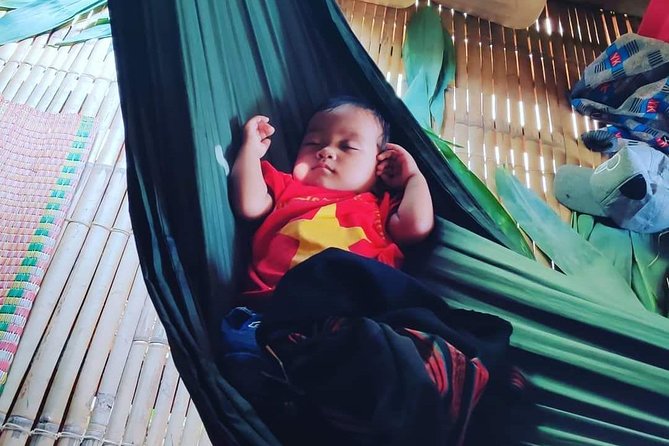
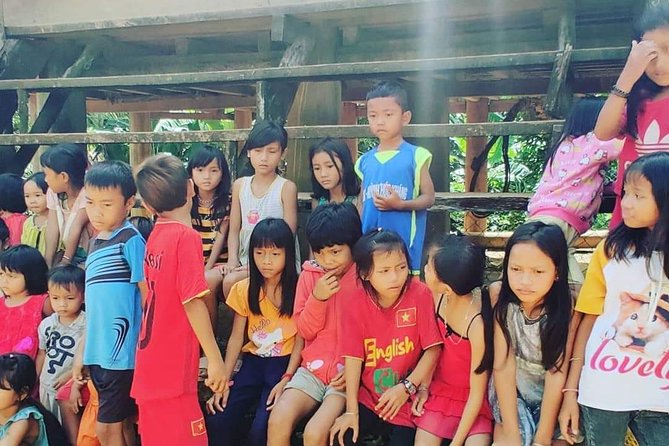
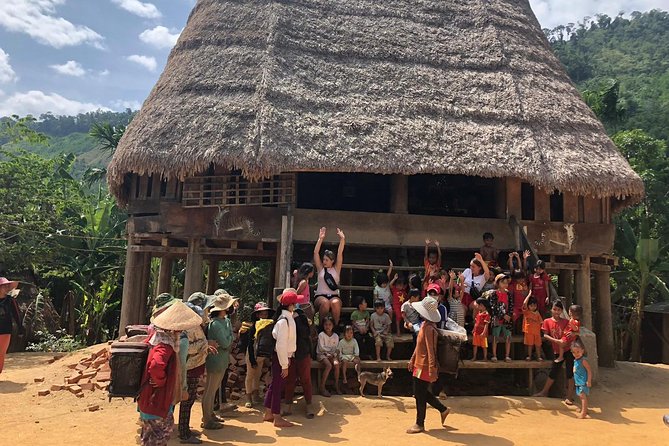
Next comes a short visit to a Van Kieu village homestay area, associated with the Pa Co people of central Vietnam. The Pa Co traditionally grow rice, maize, and vegetables, and also rely on hunting and fishing. Their community life is based around extended families, with beliefs closely linked to nature.
The scheduled stop is only about 40 minutes, so do not expect a long cultural program. Instead, think of it as a brief window into rural life. You may see how homes and family communities differ from those in the cities, and children in a family group can gain a more direct sense of how people live in another part of Vietnam.
Cultural visits need a respectful approach. Let your guide lead the interaction, ask before taking photographs, and remember that this is a living community, not a staged museum display.
Chenh Venh Waterfall gives the day a welcome change of pace. Water runs down from the mountains through forest and rock into clear pools. The stop lasts about an hour, and swimming is described as possible, so bring swimwear if you want the option of cooling off.
This is a good place to slow down after the war-related stops. The waterfall is also a practical reason to pack a dry bag or protect your phone. You will want photos, but wet rocks and water near the pools call for care.
The day ends at Khe Sanh Combat Base, one of the most important American military positions in Quang Tri Province. Its location near Laos and the former North Vietnamese border made it important for watching movement connected with the Ho Chi Minh Trail.
The 1968 Battle of Khe Sanh became one of the war’s most intense confrontations. At the base, the value comes less from dramatic remains and more from understanding the location. Your guide can help connect the position to the surrounding mountains, border routes, and supply lines.
This is not a lightweight sightseeing stop. If you prefer every stop to be scenic or entertaining, the first day may feel heavy. If you want to understand why this part of Vietnam was fought over so fiercely, it is essential.
Day 2: Road 9, the military cemetery, and the Vinh Moc Tunnels
Day two follows Road 9, known as the Road of Heroes. During the war, it was a key route toward Khe Sanh, carrying supplies and reinforcements while North Vietnamese forces tried to disrupt access and move through the region.
The stop lasts around 40 minutes. Road 9 is useful because it puts the previous day’s military sites into a broader setting. You are not only hearing about a single base, but following the route that made the base possible.
The Dakrong Bridge is a brief stop of about 20 minutes. During the war, it was used to move supplies from north to south. The visit is short, but the bridge helps show how roads and crossings shaped military movement.
The Truong Son National Military Cemetery is a longer, quieter visit. It is described as the largest cemetery for soldiers in Vietnam, and the stop lasts about 40 minutes. This is a place for respect and reflection, not loud conversation or hurried sightseeing.
The route then reaches Hien Luong Bridge over the Ben Hai River. The river marked the former division between North and South Vietnam after the 1954 Geneva Accords, when the country was temporarily separated into two regions.
The bridge is more than an old crossing. It represents the physical and political division that shaped the war. You have about an hour here, enough time to understand the site and the meaning of the former border. This is one of the strongest stops for anyone who wants historical context rather than only scenery.
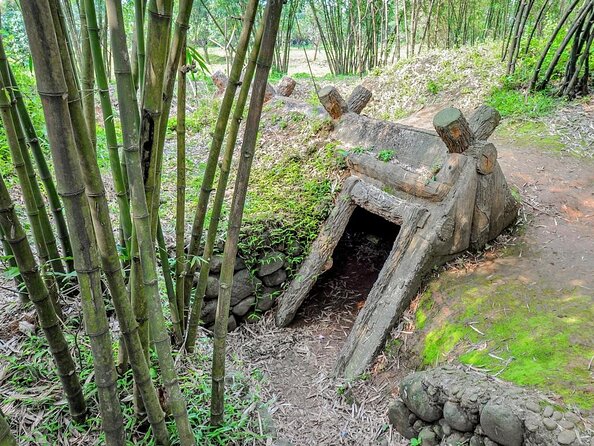
The day’s most powerful visit is likely Vinh Moc Tunnels. Local people built this underground network in the late 1960s to protect civilians and soldiers from heavy bombing. The tunnels provided shelter and supported daily life during a period when the surrounding area was under relentless attack.
You have about an hour to see the site. Tunnels can feel narrow and enclosed, so this stop may not suit anyone uncomfortable in confined spaces. For most people, though, it explains the war through ordinary survival: families did not simply leave the area, they created an underground community beneath it.
The second day is the most history-heavy part of the tour. I recommend treating it as a connected story. Road 9 explains movement, Khe Sanh explains military pressure, Hien Luong explains division, and Vinh Moc explains how civilians endured the bombing.
Day 3: My Thuy Beach, Tam Giang Lagoon, and Hue
After two days centered on war history, the third day turns toward the coast and Hue. My Thuy Beach offers a long stretch of golden sand and clear water. The planned stop is about an hour, giving you time to take a walk, enjoy the coast, and reset before the final city visits.
The next stop is Tam Giang Lagoon, described as the largest lagoon in Southeast Asia. It covers about 20,000 hectares and stretches roughly 70 kilometers along the coast. Three rivers feed the brackish water, which explains the name Tam Giang, meaning three rivers.
You cross part of the lagoon by ferry in about 30 minutes. The point is not simply to get across. You also learn about fishing and the daily work connected with the lagoon. This is one of the best parts of the trip for seeing how water shapes local life.
The short ferry crossing will not give you a full tour of every lagoon community, but it does provide a useful look beyond Hue’s monuments. If you like food and fishing culture, ask your guide questions about what is caught, how the water is used, and how the lagoon connects the surrounding districts.
Hue Imperial City is the grand historical finish. The citadel was the center of the Nguyen Dynasty, which ruled Vietnam from 1802 to 1945. It is now a UNESCO World Heritage site, with royal buildings and defensive walls that recall Hue’s time as the imperial capital.
Two hours is enough for a meaningful visit, though not enough to see every corner in detail. Wear comfortable shoes and expect to walk. I like the placement of this visit at the end because the earlier stops give you a better sense of Vietnam’s modern history before you enter the country’s royal past.
Thien Mu Pagoda sits on a hill beside the Perfume River. Originally built in 1601, it is one of Hue’s best-known religious landmarks. The name means Heavenly Lady, and the pagoda has been linked with the city and its ruling dynasty for centuries.
The stop lasts about 40 minutes. It is shorter than the Imperial City visit, but it adds a calmer, more spiritual note. The position above the river also makes it a pleasant place for photos and a pause after the busy citadel.
The final optional-feeling attraction on the route is Thuy Tien Water Park, known for its abandoned dragon statue. Built in the early 2000s, the park was never completed and later became known for its decaying structures, rusty slides, overgrown grounds, and large mythical figure.
The stop lasts about 40 minutes. Its appeal is visual rather than historical. It suits you if you enjoy unusual buildings and photography, but it may feel less important if you would rather spend extra time at Hue’s main monuments.
The tour finishes anywhere in Hue that you choose for drop-off. It can also run from Hue to Phong Nha, with the same places visited in reverse order.
More Motorcycle Tours around Vietnam:
- Ho Chi Minh City Street Food Tour & Sightseeing By Motorbike
★ 5.0 · 9,413 reviews - Hanoi Motorbike Tour: Food, Culture and Fun by Vintage Motorbike
★ 5.0 · 6,699 reviews - Saigon By Night and Street Food By Motorbike | Opt: Ao Dai Riders
★ 5.0 · 4,066 reviews - Private Street Food Tour by Motorbike/Car with Local Students
★ 5.0 · 3,950 reviews
Riding style, guides, and comfort
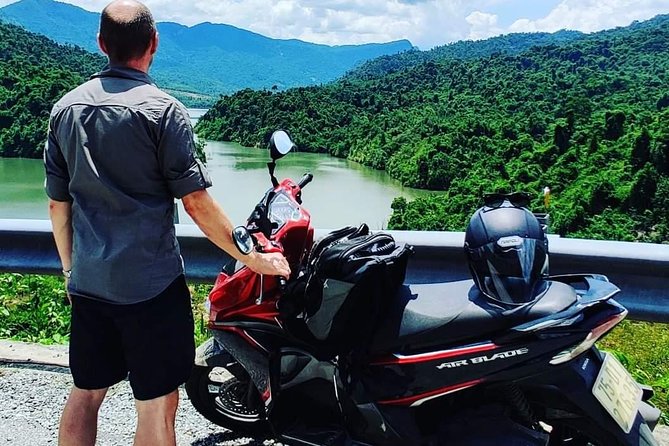
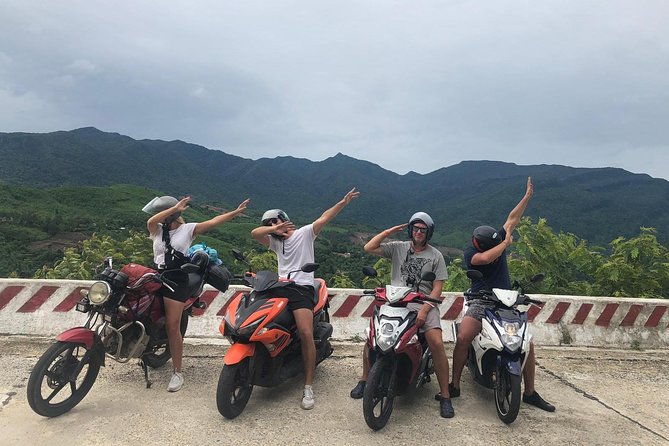
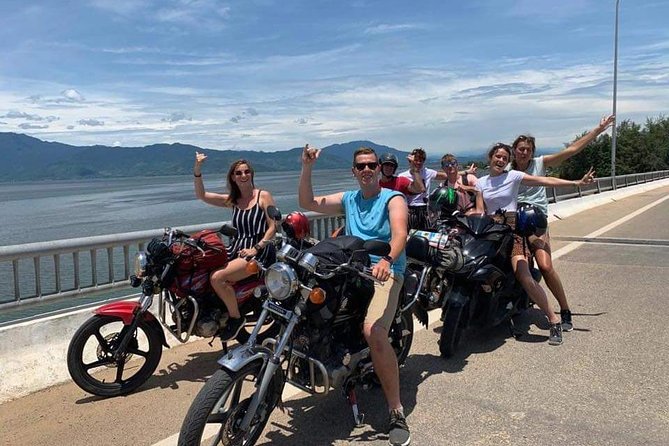
This is a passenger motorbike trip, not a self-drive rental based on the information provided by the operators and past participants. You sit tandem with a driver, which lets you look around and take photographs without handling the road yourself.
That arrangement matters on a route with mountains, rural roads, and several long days. Mr T is described as organized and easy to communicate with, while the guiding team includes Hoa and Hoa. You should confirm before departure who will ride with you and how luggage will be carried.
Pickup is offered, and one account describes airport pickup with luggage as part of a flexible motorbike journey. The formal route here begins in Phong Nha or Hue, so confirm your exact pickup point when booking.
Hotel accommodation, water, entrance fees, and the experienced driver and guide are included. Food and drinks are not. Carry money for meals, snacks, and cold drinks, and tell the operator about any dietary needs before setting off.
The tour is private, so your group does not share the experience with strangers. That gives you more freedom to ask questions, pause for photographs, or adjust the pace within the day’s route.
Who should book this journey
I would choose this trip if you want to understand central Vietnam through several angles at once. It suits families, couples, and small groups who prefer local roads and conversation to a quick highway transfer.
It is also a strong choice for history-minded visitors. The route covers military logistics, the former national division, civilian shelters, a major cemetery, and the legacy of the Nguyen Dynasty.
Families should think about the length of the days and the motorbike format. Children may enjoy the waterfall, beach, ferry, and unusual water park, while the war sites may require more patience. The cultural stop can offer a meaningful lesson, but young children should be prepared to behave respectfully in a village and at memorial sites.
You should think twice if you dislike sitting on a motorbike for extended periods, want every meal included, or prefer a tightly scheduled city tour. The route is valuable because it takes time, and that same quality can make it tiring.
Free cancellation is available if you cancel at least 24 hours before the start time. Changes or cancellations inside that window are not accepted for a refund.
Should you book the Phong Nha to Hue motorbike tour?
Book it if the journey matters as much as the destination. For $240 per person, you receive three days of private guiding, accommodation, water, entry fees, and a route packed with places that a direct transfer would miss.
The strongest reasons are the connected war-history stops, the chance to see village and fishing life, and the freedom of traveling with drivers such as Mr T, Hoa, and Hoa. The main drawbacks are the long riding days, extra meal costs, and the emotional weight of the historical sites.
If you want a fast, cheap transfer, take another option. If you want to see why this stretch of central Vietnam matters, and you are comfortable riding as a passenger for three days, this is a thoughtful and unusually varied way to reach Hue.
FAQ
How long is the motorbike tour from Phong Nha to Hue?
The tour lasts approximately three days.
Can the tour operate from Hue to Phong Nha?
Yes. The same tour can run from Hue to Phong Nha, with the stops visited in the opposite order.
Do I drive the motorbike myself?
The available information describes experienced drivers carrying passengers, including Mr T, Hoa, and Hoa. Confirm the riding arrangement with the provider before booking.
What is included in the $240 price?
The price includes hotel accommodation, an experienced driver and guide, water, and entrance fees. Pickup is offered, and drop-off can be arranged anywhere in Hue at the end of the tour.
Are meals and drinks included?
No. Food and drinks are not included in the tour price.
Can I cancel for a full refund?
Yes, if you cancel at least 24 hours before the experience starts. Cancellations or changes made less than 24 hours before the start time are not accepted for a refund.
Fresh off the road around Vietnam
- Saigon Homies – Street Food Tour By Motorbike/Car/Walking★ 5.0 · 3 reviews
- Street Food Tour In Ho Chi Minh City By Motorbike★ 5.0 · 2 reviews
- Experience Saigon Cuisine: Food Tour by Motorbike or Car★ 5.0 · 7 reviews
- Saigon Half Day Shopping Tour by Motorbikes – KissTour★ 5.0 · 4 reviews
- Ho Chi Minh city Sightseeing or Midnight nightlife by motorbike★ 5.0 · 3 reviews
- Private Shore Excursion from Phu My Port: Food & Sights by Motorbike★ 5.0 · 10 reviews
- Ho Chi Minh City Street Food tour by Motorbike at night★ 5.0 · 2 reviews
- Food Tour by motorbike with local students★ 5.0 · 7 reviews
Vietnam Motorcycle Tours, compared.
Ho Chi Minh City Street Food Tour & Sightseeing By Motorbike
Read our review →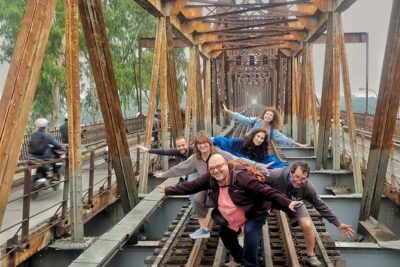
Hanoi Motorbike Tour: Food, Culture and Fun by Vintage Motorbike
Read our review →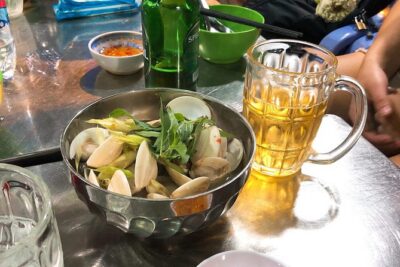
Saigon By Night and Street Food By Motorbike | Opt: Ao Dai Riders
Read our review →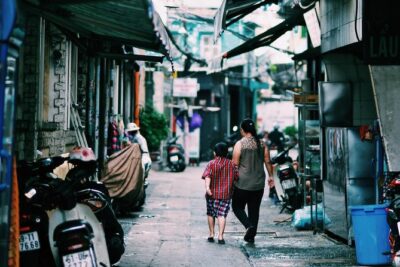
Private Street Food Tour by Motorbike/Car with Local Students
Read our review →
Street Food Tasting & Sightseeing Tour by Motorbike
Read our review →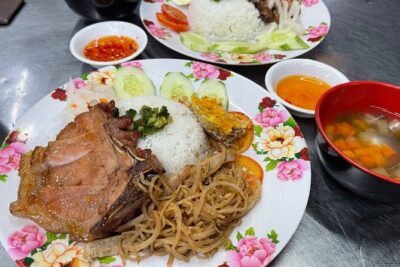
Top Notch Street Food Motorbike Tour In Ho Chi Minh City
Read our review →
Hanoi Motorbike Tours Led By Women: Hanoi By Night Foodie Motorbike Tours
Read our review →
Ho Chi Minh City Motorbike Tour with Student | Saigon Adventure
Read our review →Browse the lists this tour appears in