
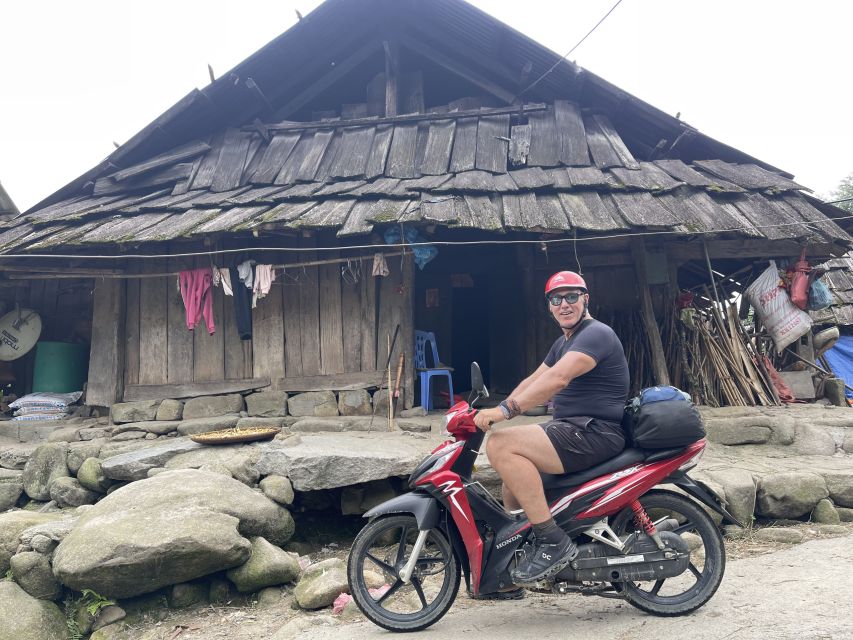
Review · SAPA
Sapa One Day Motorbike Tour
The best part of this Sapa day tour is the range: two waterfalls, O Quy Ho Pass, and 11 villages in one long ride. You move from high mountain views to rice terraces and village lanes, with time to stop, walk, eat, and hear about Black Hmong, Red Dao, and Giay life.
I like the route’s variety, especially the chance to see Love and Silver waterfalls rather than spending the whole day on one road. I also like the lunch at a Hmong home, where the experience feels more personal than a quick restaurant stop. The drawback is the road itself: some stretches are easy, while others can be tricky, busy, or affected by rain.
Key points at a glance
- O Quy Ho Pass: Ride one of northern Vietnam’s major mountain passes for wide views of waterfalls and high country.
- Six named Muong Hoa villages: Visit Y Linh Ho, Lao Chai, Ta Van, Hau Thao, Giang Ta Chai, and Su Pan.
- Three ethnic communities: Learn about Black Hmong, Red Dao, and Giay customs, homes, farming, and daily life.
- Lunch at a Hmong home: Eat local food in a family setting, with a chance to share the table and local hospitality.
- Flexible riding arrangements: One motorbike per person is included, and local drivers can be arranged if you do not want to ride yourself.
- Useful inclusions: Village entry fees, fuel, helmet, raincoat, 1.5 liters of water, lunch, and hotel pickup are covered.
A full day on Sapa’s mountain roads
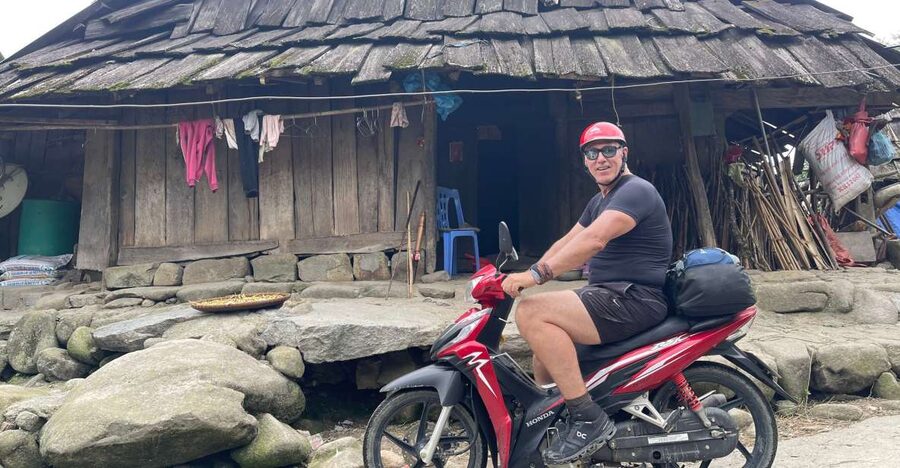
This is a seven-hour private-group trip designed for people who want to see a lot of the Sapa area without committing to a full trekking day. You are picked up at your hotel in central Sapa, or at Sapa Church if your accommodation is outside the central pickup area.
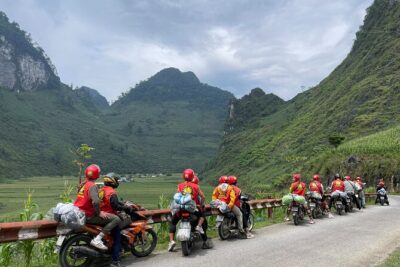
Before setting off, the guide shows you the motorbikes. One motorbike per person is included, along with a helmet, fuel, raincoat, and water. The route includes roughly three hours of riding, a break, then another two hours on the scooter before returning to Sapa. The exact starting time depends on availability.
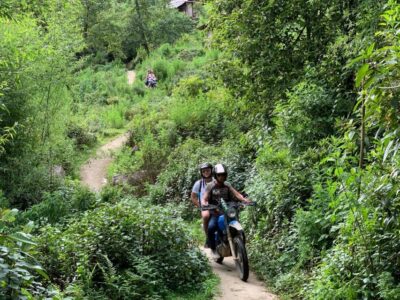
That schedule matters. You are not simply being driven from one viewpoint to the next. You spend much of the day on the road, with the ride itself forming a large part of the experience. You get changing views, small roads, village approaches, and mountain scenery, but you also need to be comfortable sitting on a motorbike for several hours.
If you are not a confident rider, ask about a local driver before booking or as soon as possible. One group had a driver arranged for each person, which made the day accessible to people who wanted the motorbike experience without handling the bikes themselves. The information provided confirms that motorbikes are included, but driver arrangements should be clarified in advance.
More One-Day Rides around Sa Pa:
- Sapa Motorbike Tour With Local Guide 1 Day – Waterfalls, Villages
★ 5.0 · 254 reviews - Motorbike 1 Day Off The Beaten Track, Hidden Villages, rice field
★ 5.0 · 203 reviews - Sapa: Motorbike Tour 1 Day Visit Waterfalls & Local Villages
★ 5.0 · 112 reviews
O Quy Ho Pass and the high mountain views
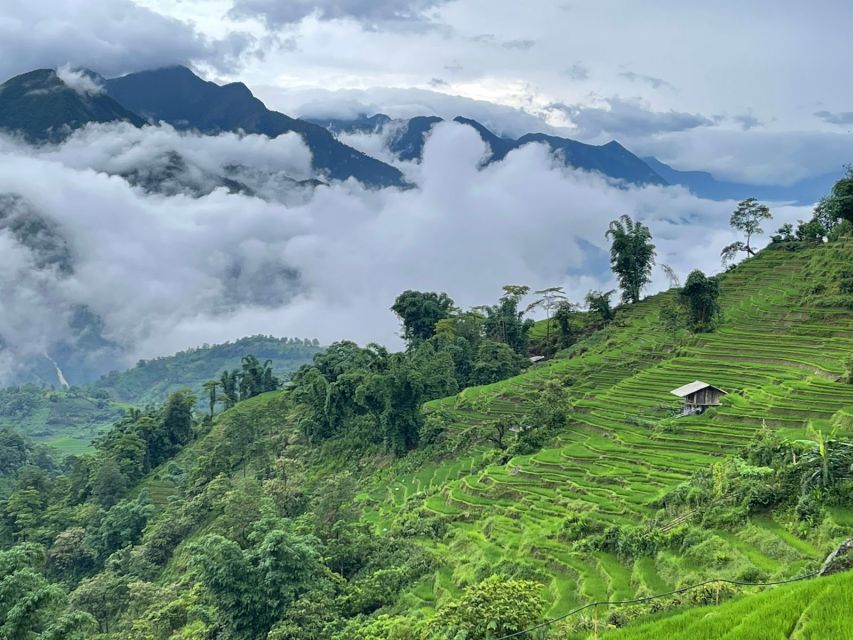
O Quy Ho Pass is one of the four major passes in northern Vietnam, and it gives the day its biggest sense of scale. As the road climbs and bends through the Hoang Lien Son mountains, you can expect views of high ridges, waterfalls, and open country.
The pass is not a single sightseeing stop with a long list of monuments. Its appeal is the road and the changing scenery. You see the mountains from different angles, and the ride gives you a feel for how communities are linked across this difficult terrain.
This is also where the weather can change quickly. The tour operates rain or shine, so your raincoat is not a decorative extra. Bring sunscreen as well, since clouds do not guarantee cool conditions. A small day bag should hold your passport or ID card, sunscreen, and any personal items you need between stops.
The road conditions are part of the bargain. Some sections may be well maintained, while others can feel more demanding. Traffic can vary from quiet to busy. If you want a smooth, controlled sightseeing circuit, this is not that. If you like a road trip with a little uncertainty and plenty to look at, it is a good fit.
Love and Silver waterfalls
The waterfall stops add water, shade, and a change of pace to a day otherwise spent moving along mountain roads. Love Waterfall and Silver Waterfall are known for their clean water and natural setting, and they give you a chance to get out, stretch your legs, and walk rather than remain on the scooter.
The exact amount of walking is not specified, so you should wear sensible shoes rather than delicate sandals. The tour is not a dedicated trekking program, but the waterfall visits can include walking on uneven ground. This is one reason the trip is not suitable for wheelchair users or people with mobility impairments.
The two falls also help break up the day. You are not racing through villages without pause. The stops provide room for photos and a closer look at the mountain environment. Still, do not expect a quiet, private wilderness outing. The waterfalls are major sights in the Sapa area, and conditions can vary with weather and other visitors.
Y Linh Ho and Lao Chai: Black Hmong country
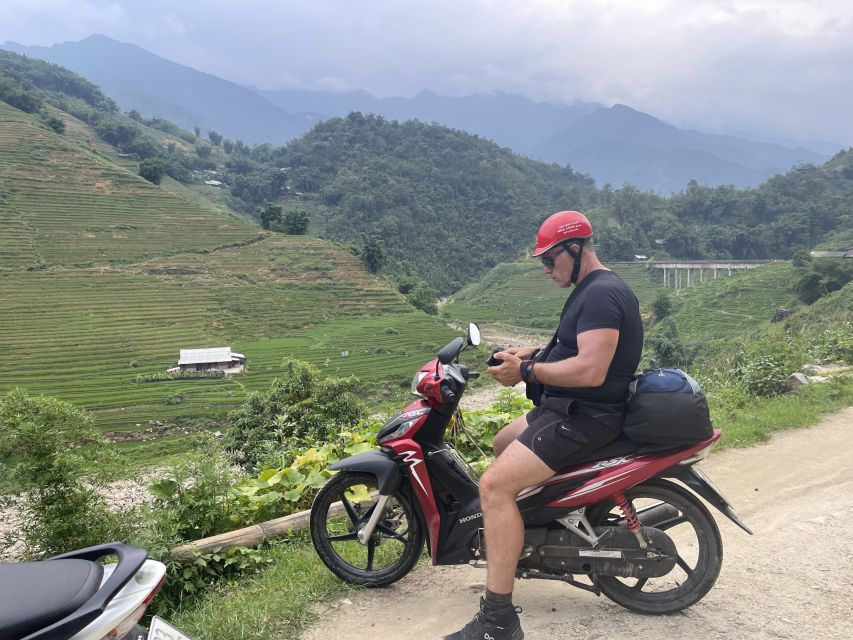
The route then reaches the Muong Hoa valley and its famous rice terraces. Y Linh Ho is associated with the Black Hmong community, and the village is a strong place to understand how farming and settlement fit into steep mountain terrain.
The rice terraces are the main visual story here. They have been shaped and maintained over generations, turning slopes into productive fields. From the road, you can see how the terraces follow the contours of the hills rather than forming neat flat blocks.
You may also see traditional Hmong homes set along the mountainside. These details matter because they show that the scenery is not just a natural view. It is a working environment shaped by families, farming, and local building traditions.
Lao Chai continues that Black Hmong focus. The village is known for old Hmong communities, terraces, traditional architecture, and local customs. The guide’s role is important here. A good explanation can help you understand the difference between simply seeing a house and recognizing why it is built that way, how farming supports the village, and how customs remain part of daily life.
The road through this part of the valley is one of the strongest reasons to choose the motorbike format. You can cover ground quickly, but you are still close enough to notice homes, fields, and people along the way. A trekking route gives you more time on foot. The motorbike gives you a wider reach in one day.
More Motorcycle Tours around Sa Pa:
- From Sapa: 3 Day Ha Giang Loop Motorbike Tour With Rider
★ 4.9 · 209 reviews - Ultimate Sapa Motorbike Tour: Villages & Waterfalls
★ 5.0 · 69 reviews - A Glimpse Of Sapa Motorbike Tour Off the Beaten Path 4,5 Hours
★ 5.0 · 65 reviews - Sa Pa: Private Guided Tour on a Motorbike with Lunch
★ 4.8 · 47 reviews
Ta Van, Hau Thao, Giang Ta Chai, and Su Pan
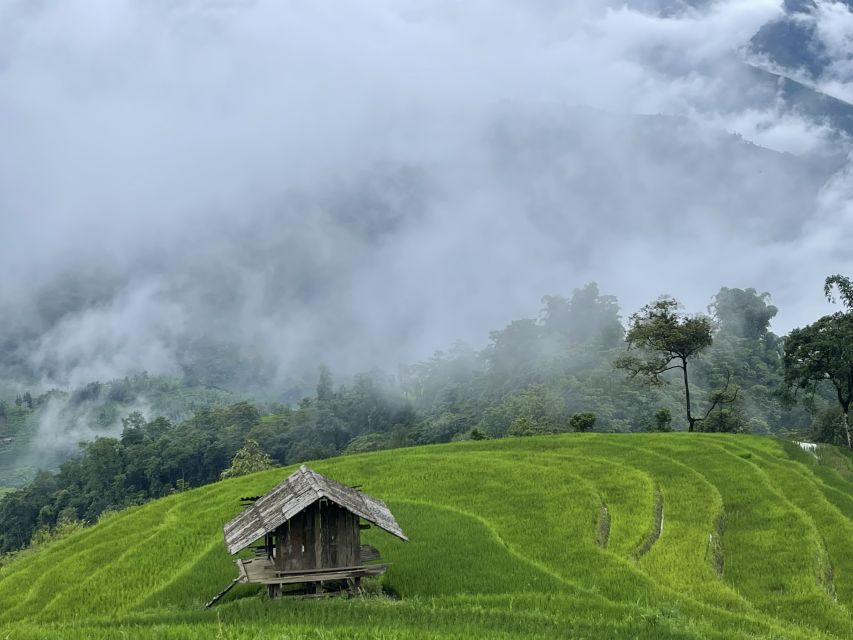
Four more named villages, Ta Van, Hau Thao, Giang Ta Chai, and Su Pan, bring more variety to the Muong Hoa section. These communities include Black Hmong, Giay, and Red Dao people, so the visit is not only about scenery.
The value here is comparison. You can learn how clothing, houses, farming, and traditions differ between communities living in the same broad valley. The tour is especially useful if you have limited time in Sapa and want more cultural context than a single viewpoint can offer.
Ta Van is often treated as one of the best-known village areas around the valley, while Hau Thao, Giang Ta Chai, and Su Pan add a wider sense of place. The route is advertised as covering 11 villages in total, though six are specifically named in the available details. That means the complete route may include additional village stops, depending on the day and conditions.
Do not expect each village to feel like a separate formal attraction. The experience is more fluid. You ride through the area, stop at selected points, learn from your guide, and see how homes and terraces sit together. That is a strength if you prefer ordinary local settings to staged cultural performances.
Lunch at a Hmong family home
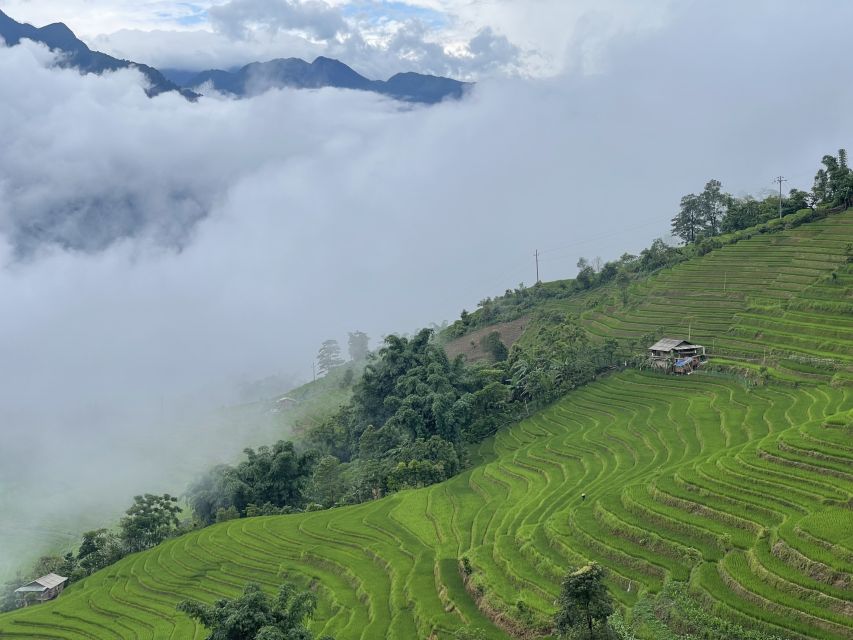
Lunch is one of the most personal parts of the day. You eat local food at a Hmong home rather than taking a standard meal at a roadside restaurant. The included meal is a real value at this price, but its greater benefit is the setting.
You can expect generous portions. The meal served to one group was described as more than they could finish, with strong local flavors and a welcoming family atmosphere. Local rice wine, sometimes called happy water, may also be offered. If you do not drink alcohol, simply make your preference clear.
This stop gives the cultural material some human scale. After hearing about ethnic communities and traditional homes, you have a chance to sit with a Hmong family and share food. Customs are easier to understand when they appear around a table rather than in a guide’s short speech.
Keep an open mind about the meal. This is local food, not a carefully edited tourist menu. You may find unfamiliar flavors or a larger meal than expected. For many people, that is part of the point. If you have dietary restrictions, ask the provider before departure because the available details do not specify vegetarian, vegan, allergy-friendly, or other special menus.
The guide makes the difference
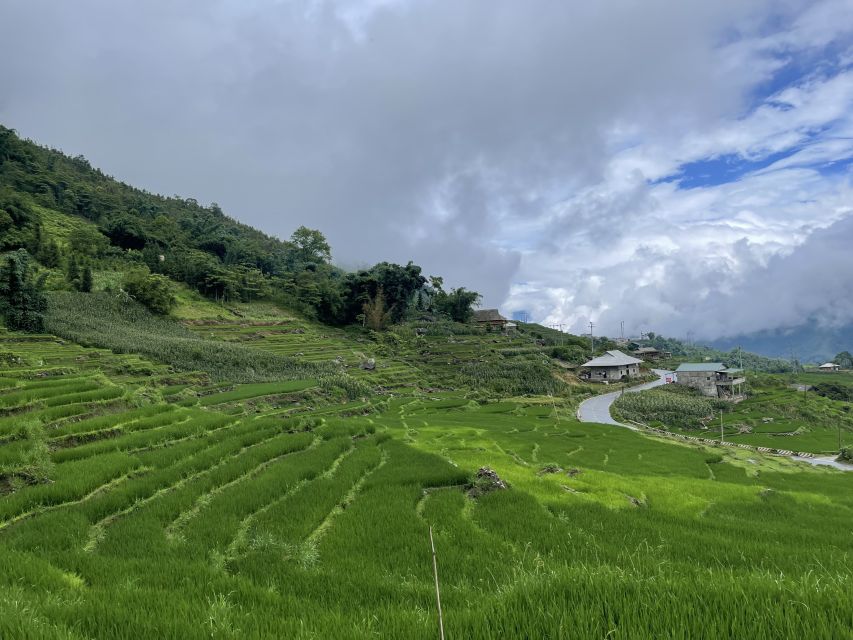
The tour includes a local English-speaking guide, and the cultural side depends heavily on that person. The guide explains the villages, rice fields, homes, customs, and differences between the three ethnic communities.
Two guide names appear in the experience details: May and Sinh. May led a group that arranged local drivers, while Sinh was praised for explaining the rice fields and local production and for keeping the ride full of stories. You may not receive either guide, but asking who will lead your departure is reasonable if personal guidance is important to you.
An audio guide is also listed in English. In practice, the live local guide is likely to be the more useful part of the cultural explanation because the route changes as you go. The audio option is a helpful backup, not a reason to ignore the person riding with you.
Because this is a private group, you have more room to ask questions than on a large bus tour. You can ask about building styles, farming, clothing, family life, and local production as you see them. The quality of the day will depend partly on how much you engage.
Is $62 a fair price?
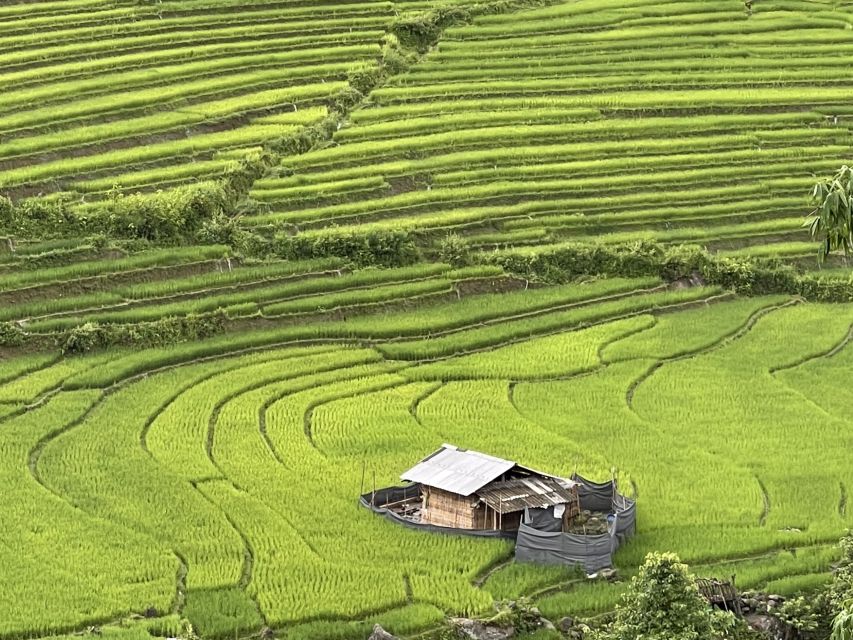
At $62 per person, the tour offers solid value for a seven-hour private-group outing. The price includes hotel pickup in central Sapa, village entry fees, motorbike rental, helmet, fuel, raincoat, 1.5 liters of water, lunch, and an English-speaking local guide.
The biggest saving is time. You see two waterfalls, O Quy Ho Pass, and a broad set of villages without arranging several separate rides. You also avoid paying small entrance fees and fuel costs along the way.
The price is less attractive if you want a slow, intensive trek in one valley. A motorbike day covers more ground, but you spend less time walking through any single village. It also may not suit you if mountain roads make you nervous.
There is no travel insurance or extra drinks included, and tips for the guide are separate. Bring some money for drinks along the way. The included water is useful, but 1.5 liters may not be enough for every person in warm conditions.
Who should book this Sapa ride?
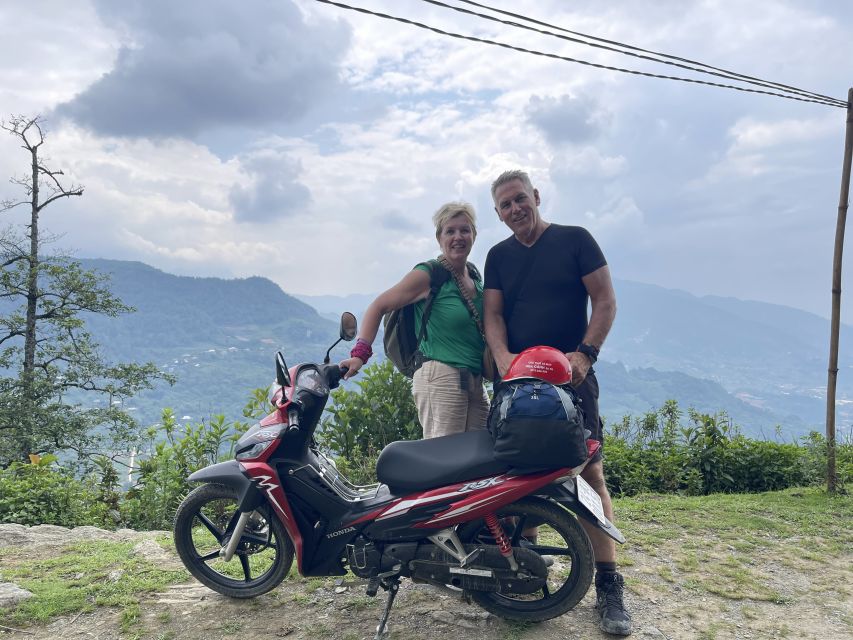
I would choose this tour if you have only one free day in Sapa and want a broad introduction to the area. It works particularly well for people who want village culture, mountain scenery, waterfalls, and a local meal without spending the whole day trekking.
It also suits couples, families with older children, and private groups who want a flexible outing. The private format means the pace should feel more personal than a large coach excursion, though the road still sets the rhythm.
You should think twice if you dislike motorbikes, have mobility limitations, or want a carefully predictable schedule. The route operates in all weather, and road conditions vary. A local driver can solve the riding problem, but it will not remove the bumps, bends, or weather.
You need a driver’s license, passport or ID card, and sunscreen. Pickup is from your central Sapa hotel, or Sapa Church if your accommodation is outside the central area. Free cancellation is available up to 24 hours before departure, and you can reserve now and pay later.
Should you book it?
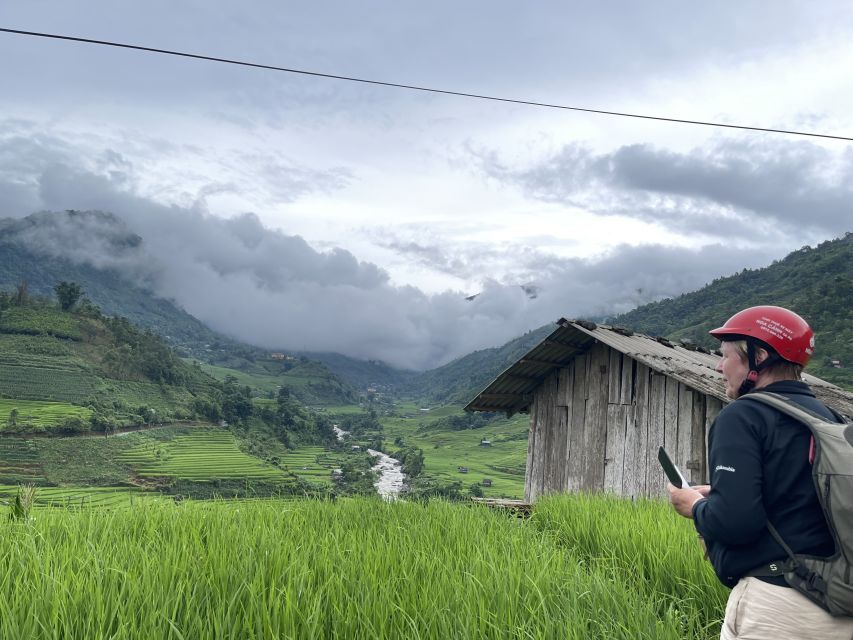
Book this Sapa motorbike tour if you want maximum variety in one day and are happy to trade a little road comfort for better access to mountain villages. The best reasons are the broad route, the two waterfalls, the Hmong family lunch, and the chance to compare Black Hmong, Red Dao, and Giay communities.
Skip it if your priority is a quiet walk, a short ride, or complete control over the weather and road conditions. For everyone else, $62 is a sensible price for a private seven-hour introduction to Sapa beyond the town center. Ask in advance about a local driver if you are not confident on a motorbike.
FAQ
How long does the Sapa One Day Motorbike Tour last?
The tour lasts seven hours. The listed route includes about three hours of scooter travel, a further two hours of scooter travel, and stops along the way before returning to Sapa.
Which villages does the tour visit?
The named villages are Y Linh Ho, Lao Chai, Ta Van, Hau Thao, Giang Ta Chai, and Su Pan. The tour is described as covering 11 villages in total.
Which ethnic communities will I learn about?
You will learn about Black Hmong, Red Dao, and Giay communities in and around the Muong Hoa valley and Sapa.
Are Love Waterfall and Silver Waterfall included?
Yes. The route includes visits to both Love Waterfall and Silver Waterfall.
Can I have a driver instead of riding the motorbike myself?
A motorbike is included for each person, and local drivers can be arranged. Ask the provider in advance if you do not feel confident riding yourself.
What should I bring?
Bring your driver’s license, passport or ID card, and sunscreen. The tour provides a helmet, raincoat, and 1.5 liters of water per person.
Fresh off the road around Sa Pa
- Sapa Scenic Motorbike Adventure With Local Guide★ 5.0 · 2 reviews
- Sapa: Motorbike Tour to Hidden Villages & Terraced Fields★ 5.0 · 9 reviews
- Sapa to Waterfall, Green Tea Farm with motorbike driver★ 4.5 · 2 reviews
- Sa Pa: Guided Motorbike Tour to Ethnic Villages with Lunch★ 4.9 · 9 reviews
- Sapa Silver Waterfall And O Quy Ho Pass Tour By Motorbike★ 5.0 · 14 reviews
- Sapa Half-Day Motorbike Tour: Villages & Rice Fields★ 5.0 · 22 reviews
- SaPa Motorbike Tour – Half day – Visit Waterfall★ 5.0 · 27 reviews
- Sapa Half Day Private Car or Motorbike Customized Scenic Tour★ 5.0 · 30 reviews
Sapa Motorcycle Tours, compared.
Sapa Motorbike Tour With Local Guide 1 Day – Waterfalls, Villages
Read our review →
Motorbike 1 Day Off The Beaten Track, Hidden Villages, rice field
Read our review →
Motorbike Tour 1 Day Visit Waterfalls & Local Villages
Read our review →
Ultimate Sapa Motorbike Tour: Villages & Waterfalls
Read our review →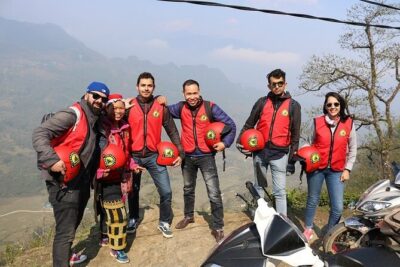
A Glimpse Of Sapa Motorbike Tour Off the Beaten Path 4,5 Hours
Read our review →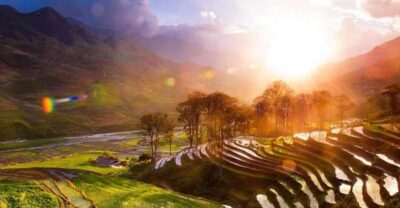
Browse the lists this tour appears in